
Facilities Change Faster Than Documentation
One of the biggest challenges organizations face is that facilities are constantly evolving.
Departments grow. Teams relocate. Storage areas become offices. Collaboration spaces emerge where traditional workstations once existed. Over time, the actual use of a building begins drifting away from the original design documentation.
Without a structured space management process, organizations often make operational decisions based on outdated information.
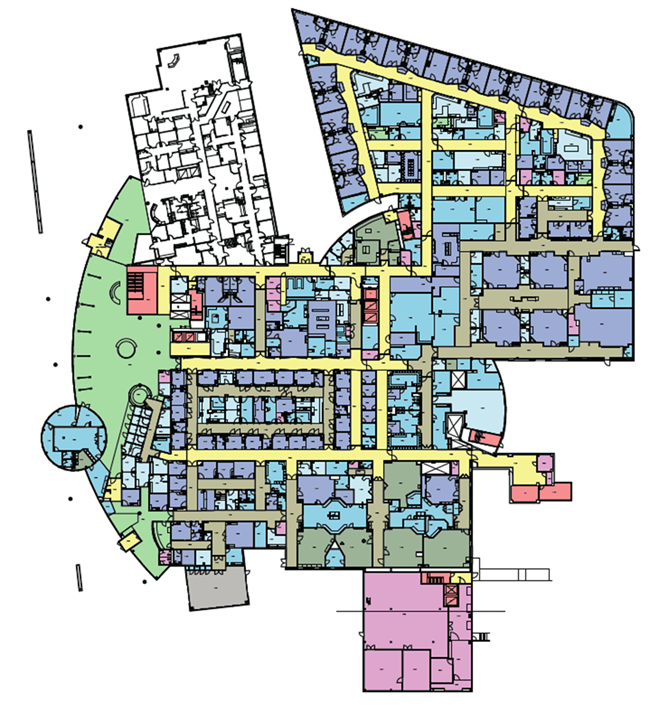
That’s why accurate space inventories matter. By maintaining current floor plans, room classifications, occupancy information, and department assignments, organizations gain a clearer understanding of how their facilities are functioning today – not how they functioned five years ago.
Underutilized Space Is Expensive
Space is one of the most expensive operational assets an organization manages.
When facilities are poorly utilized, the costs add up quickly:
- Unnecessary real estate expansion
- Increased maintenance costs
- Higher utility consumption
- Inefficient department layouts
- Wasted operational resources
In many cases, organizations don’t actually need more space – they need better visibility into the space they already have.
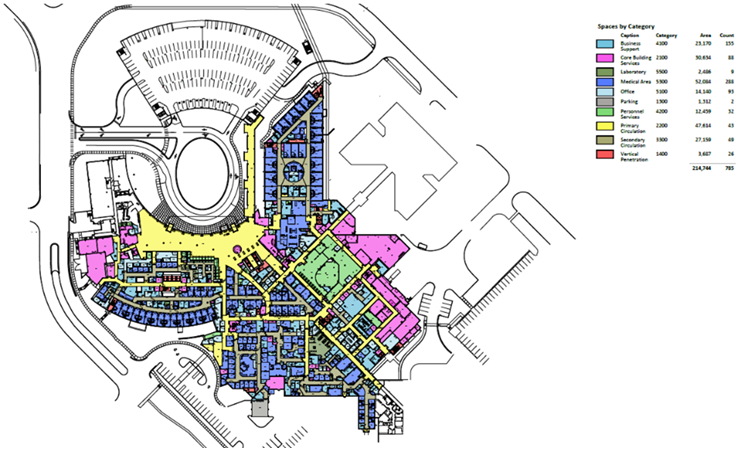
Utilization analysis helps identify underused offices, meeting rooms, shared workspaces, and operational areas so leadership teams can make informed decisions about reallocating or optimizing space before pursuing costly expansions.
A detailed space inventory also helps owners understand how much square footage is assigned to each department, service line, or operational function. That visibility makes it easier to identify where space is overcrowded, underused, or misaligned with actual needs. For organizations leasing space, this data can also support right-sizing decisions and help avoid paying rent on square footage that is no longer necessary.
Because adding square footage is expensive. Using existing square footage more intelligently usually isn’t.
The Workplace Has Changed
The rise of hybrid work environments has dramatically shifted how facilities operate.
Traditional office layouts designed around permanently assigned desks no longer reflect how many organizations function today. Employees move between remote work, collaborative workspaces, shared desks, and flexible meeting environments.
As a result, facilities need to become far more adaptable.
Modern space management strategies help organizations create flexible layouts that support changing team sizes, collaborative work models, hot-desking environments, and evolving operational needs. Instead of treating facilities as static environments, organizations are beginning to manage them as dynamic systems that must continuously evolve alongside the workforce.
Space Data Supports Financial & Compliance Reporting
In healthcare and other regulated industries, space management extends well beyond operational efficiency.
Facility data often connects directly to financial reporting, reimbursement structures, and compliance requirements. Accurate room classifications, department codes, and area calculations can impact how organizations allocate costs and support government reimbursement models.
Many healthcare organizations track:
- Actual area versus prorated area calculations
- Departmental allocations
- Shared operational spaces
- Medicare-related classifications and reporting
Without accurate and continuously maintained space data, organizations may face reporting inconsistencies, operational inefficiencies, and compliance challenges.
Space management also provides visibility into critical non-revenue-producing areas such as facilities engineering, infrastructure support, and maintenance operations. While these departments may not directly generate revenue, they are essential to maintaining safe and fully operational facilities.
Sustainability Starts with Smarter Space Usage
Organizations are also placing greater emphasis on sustainability and operational efficiency.
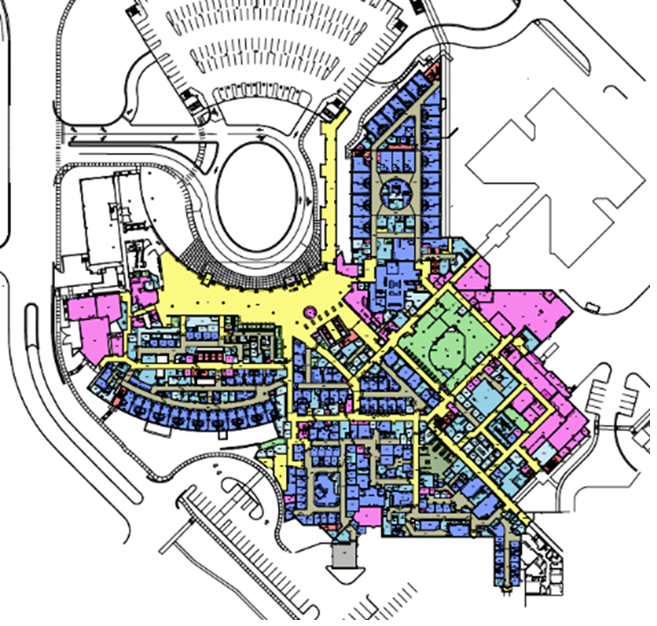
Effective space management helps reduce wasted energy consumption by identifying underutilized areas and improving how facilities are occupied throughout the day. It also allows organizations to consolidate spaces more efficiently, improve overall building performance, and, in many cases, delay or avoid unnecessary facility expansions altogether.
A better understanding of how buildings are used often leads to smarter operational decisions that benefit both budgets and long-term sustainability goals.