What Is Project Closeout?
Project closeout is the process of collecting, organizing, validating, and delivering the information created throughout a construction project. The goal is to provide facility owners with accurate records that support ongoing operations, maintenance, compliance, and future planning.
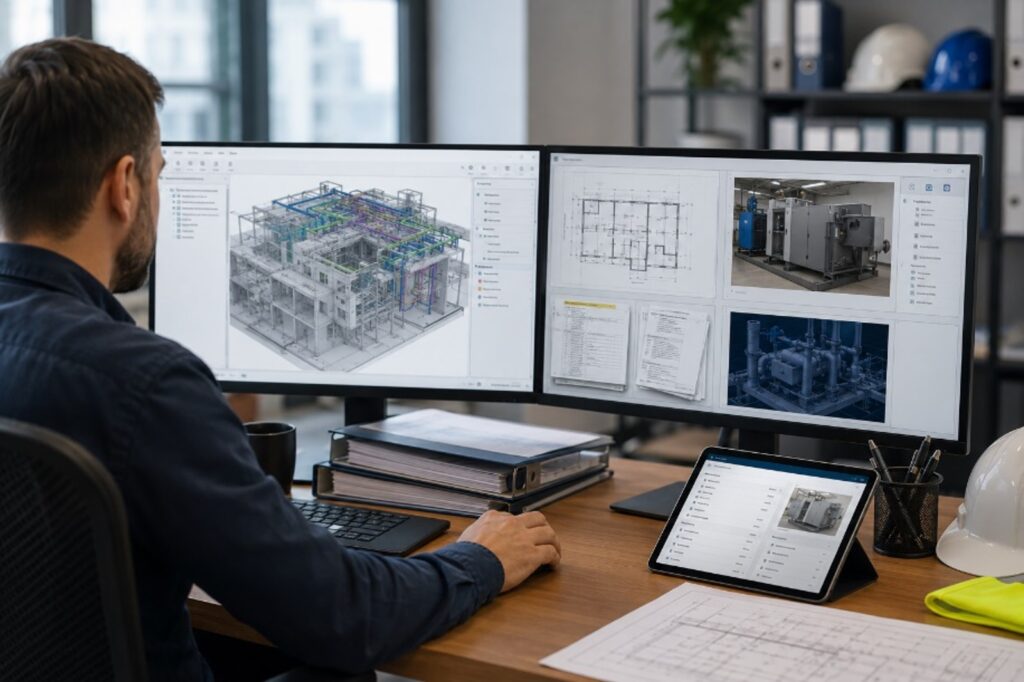
A successful closeout process goes far beyond gathering a few manuals and record drawings. It creates a complete and accessible record of the building, its systems, and its assets.
This includes updating facility drawings to reflect existing conditions, capturing asset data in owner-required formats, organizing project documentation, and ensuring information is ready to be integrated
into facility management systems.
Capturing the Data That Matters
Modern facilities generate a significant amount of information during construction. Without a structured closeout process, much of that information can become difficult to access, manage, or utilize effectively.
Many organizations structure asset and facility data using industry-standard frameworks such as:
- COBie
- MasterFormat
- UniFormat
- OmniClass
These standardized formats allow information to be imported directly into facility management, maintenance, and asset tracking systems, creating a reliable foundation for long-term building operations.
More Than Documentation
A complete project closeout package should include all documentation necessary to understand, operate, and maintain a facility.
This often includes:
- Operation and Maintenance Manuals
- Project Specifications
- Record Drawings
- Warranties
- Commissioning Documentation
- State Licensure Documentation
- Regulatory and Compliance Records
- Equipment Information
- Asset Inventories
When properly organized and maintained, these documents become a valuable operational resource rather than information scattered across multiple locations and systems.
Supporting Space and Facility Management
For organizations utilizing space management systems, project closeout also provides an opportunity to update facility information to reflect how spaces are actually being used.
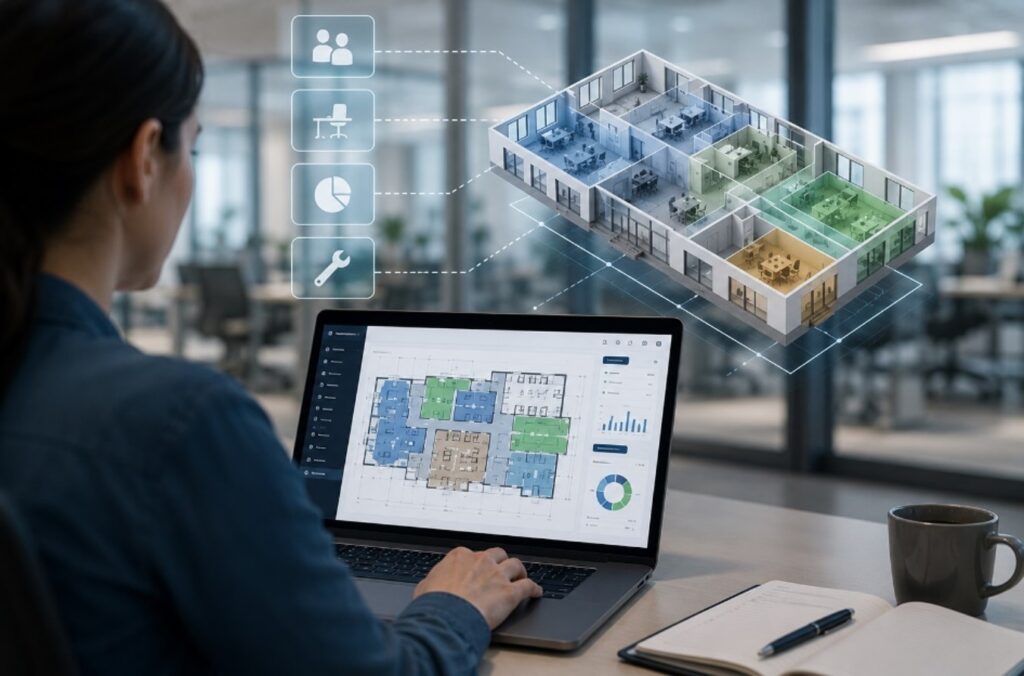
This ensures that occupancy data, departmental assignments, room classifications, and facility records remain accurate from day one.
Accurate space information supports planning, reporting, compliance efforts, and future renovations while providing a clearer understanding of how facilities are being utilized.
Why Project Closeout Matters
The value of project closeout extends far beyond project completion.
When facility teams have access to accurate drawings, organized documentation, and reliable asset information, they can:
Respond Faster to Facility Issues
Technicians spend less time searching for documentation and more time solving problems.
Improve Maintenance Efficiency
Accurate asset records help teams identify equipment, locate information, and perform maintenance more effectively.
Reduce Downtime
Quick access to equipment information, warranties, and maintenance documentation enables faster troubleshooting and repair.
Improve Planning and Decision-Making
Reliable building data helps organizations prioritize maintenance, budget for capital improvements, and plan future projects with greater confidence.
Maintain Consistent Facility Records
Standardized documentation and data structures create a single source of truth for facility information across the organization.